
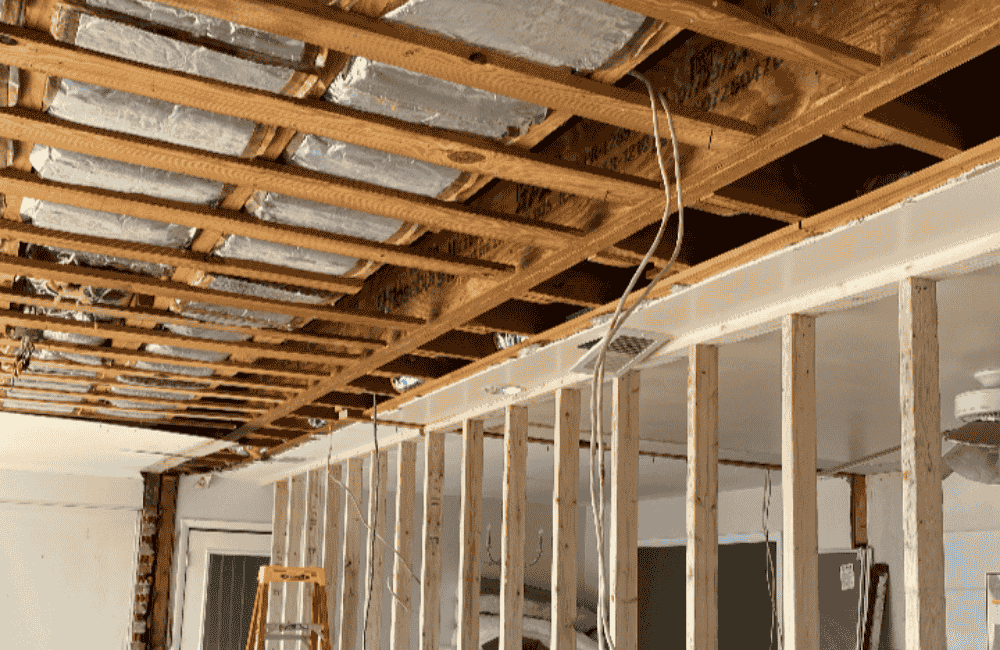
The 7 planning mistakes that blow up addition budgets can be mitigated by knowing where most addition budgets creep. Planning a home addition in a coastal area feels exciting until you start looking at real numbers and hear horror stories about budgets blowing up, timelines slipping, and “unexpected” costs showing up halfway through the job. You’re not wrong to worry, especially around Dare, Currituck, Camden, and Pasquotank Counties where coastal rules, flood zones, and septic limitations add extra layers of risk.
Why Home Addition Budgets Go Off the Rails
Most homeowners assume that if they collect a few bids and pick a reputable contractor, the number on the proposal should be pretty close to what they actually spend. In reality,Many residential construction projects end up costing more than originally planned, Change orders alone can add 7–15% to total costs when planning is weak or incomplete.
In coastal North Carolina, there are extra variables that can impact both cost and timing: floodplain requirements, CAMA considerations, septic capacity, wind and uplift requirements, and sometimes structural surprises in older or storm‑tired houses. If those pieces are not investigated up front, they tend to show up as “hidden costs” later.
What Homeowners Usually Assume
Here are a few common assumptions that quietly set projects up for budget creep:
- “If I get three bids, the middle one is probably realistic.”
- “We can always figure out finishes and details after we start.”
- “If something unexpected comes up, it can’t be that big a deal.”
- “Permits and inspections are just paperwork, they won’t change cost much.”
- “My house is in decent shape, so there shouldn’t be major surprises inside the walls.”
On paper, those assumptions sound reasonable. In the field, they collide with things like incomplete plans, missing structural details, underestimated permitting requirements, and owner‑driven changes that snowball into serious overruns.
The 7 Costliest Planning Mistakes
1. Treating Early Estimates Like a Final Price for your home addition project
The first “number” many homeowners see is a rough estimate based on minimal information. That might be a ballpark per‑square‑foot range or a quick takeoff from a sketch. It is useful for conversation, but dangerous as a budget anchor.
When the scope is not clearly defined or allowances set for finishes, the estimate is only as good as the guesswork behind it. Incomplete scope and optimistic assumptions on labor, material, or complexity are a major root cause of later change orders and cost overruns.
To avoid this:
- Treat early ballparks as planning tools, not promises.
- Do not lock your total budget to a “napkin number” or verbal range.
- Insist on a detailed proposal based on real drawings before you make final financial decisions.
2. Underestimating True Project Scope
A home addition is not just “X square feet times Y dollars.” It is a bundle of interconnected work: structure, utilities, tie‑ins to the existing house, finishes, site work, and code upgrades that might be triggered by the new work.
In coastal markets like the Outer Banks and surrounding counties, scope can also include things like floodplain compliance, extra foundation work, additional bracing, and sometimes stormwater or CAMA‑related considerations depending on the site and size. If no one maps this out early, the proposal you sign may be missing entire categories of work.
Good scope definition should:
- Clarify exactly what is included, excluded, and “by owner.”
- Address structural tie‑ins, roofing transitions, and siding integration.
- Spell out HVAC, electrical, and plumbing changes, not just “as needed.”
3. Ignoring Local Zoning, Flood, and Septic Limits
One of the biggest hidden‑cost triggers in Dare, Currituck, Camden, and Pasquotank Counties is running ahead of the local rules. You might have the space physically, but zoning setbacks, lot coverage limits, height rules, and floodplain requirements can all reshape what is actually feasible.
On top of that, any bedroom‑driven addition on septic needs a capacity check. If your system cannot legally support the added load, you may be looking at expansion or replacement with its own permitting and construction cost, which is a surprise you don’t want mid‑project. These factors can change both design and budget.
Smart planning here means:
- Checking zoning, setbacks, and lot coverage before you fall in love with a layout.
- Confirming flood zone, required finished floor elevations, and any elevation certificates.
- Verifying septic or sewer capacity early, especially when adding bedrooms or bathrooms.
4. Accepting Vague or Open‑Ended Proposals
Many cost overruns are baked in the moment the contract is signed, simply because the proposal is vague. “Allowances” that are too low, missing line items, and unclear language about exclusions all leave room for surprise costs later.
Time‑and‑materials contracts put most of the risk on the homeowner, especially when the scope has a lot of unknowns or the plans are incomplete. A fixed‑price contract based on complete drawings shifts more of that estimating burden onto the contractor and encourages better preconstruction planning.
To protect your budget:
- Ask for a detailed scope, not a one‑page lump sum with vague descriptions.
- Push for realistic allowances on finishes that match how you actually like to live.
- Make sure the contract explains how changes will be priced and approved before any work happens.
5. Skipping Thorough Preconstruction Planning for your home addition project
Weak planning almost always shows up later as budget creep. Studies show that a large share of change orders, often around 30%, tie back to inadequate planning or incomplete designs before construction starts.
In practice, “weak planning” looks like:
- Starting work with half‑baked drawings or no structural engineering.
- Leaving key finish decisions for later “to save time.”
- Not coordinating trades and inspections up front.
- Assuming the existing structure is fine without proper investigation.
On the Outer Banks and nearby inland areas, good preconstruction planning also means looking closely at wind loads, uplift connections, existing foundation condition, and previous storm or moisture damage before finalizing the design. That front‑loading of thought may feel slow, but it is far cheaper than redesigning in the field after the walls are open.
6. Underfunding Contingency and “Unknowns”
Even with excellent plans, older structures and coastal homes can hide surprises: concealed rot, outdated wiring, marginal framing, undersized footings, or previous work that was done without permits. Those issues are often not visible until selective demolition happens.
Industry guidance and experienced contractors typically recommend holding back 10–20% of the construction budget as a contingency for unforeseen conditions and owner‑driven changes. Skipping that cushion is one of the fastest ways to turn a manageable problem into a financial crisis.
A practical approach:
- Build a realistic base budget from a detailed proposal.
- Add contingency for things you truly cannot see yet.
- Protect that contingency instead of spending it on optional upgrades in week one.
7. Making Mid‑Project Changes Without Understanding the Ripple Effect
Change orders are where many addition projects quietly bleed money. Nationally, most construction projects experience cost overruns, and change orders can eat up a significant percent of total cost through added labor, material, rework, and schedule delays.
Common triggers include incomplete or inaccurate plans, scope creep from “while you’re here” requests, and last‑minute finish changes. Each change can require re‑pricing, revised drawings, permit updates, and schedule reshuffling for subcontractors. On a tight coastal schedule, a few weeks lost to rework can push work into busier seasons or risk weather windows, which compounds costs.
To keep changes under control:
- Make as many design and finish decisions as possible before construction.
- Ask your contractor, “If we make this change, what does it do to cost and calendar?”
- Limit nonessential changes once work is underway unless the benefit clearly outweighs the cost.
How This Plays Out Locally
In Dare County and Currituck’s coastal communities, floodplain and wind requirements often mean more substantial foundations, tie‑downs, and structural detailing than homeowners expect from square‑foot pricing they see online. Permitting, zoning, and code requirements impact project costs. Those details affect both upfront construction cost and long‑term durability.
In Camden and the Elizabeth City / Pasquotank area, you may be dealing more with river, sound, or low‑lying inland flood zones, plus a mix of older structures that have seen multiple remodels over the years. That combination makes invasive surprises more likely once walls and floors are opened up. In all of these areas, septic capacity and soil conditions can either quietly support your addition or become a major cost line of their own.
Local experience, repeated work with the same trade partners, and a strong preconstruction process matter here because the contractor has likely seen the pattern before: where the plans are typically thin, what local inspectors focus on, and which permit paths tend to cause delays. That knowledge does not eliminate risk, but it helps you see around more corners.
What Strong Planning Looks Like
If you want to avoid the seven big cost drivers related to your home addition budget, your planning process should feel systematic, not rushed. A solid approach usually includes:
- A clear goals conversation
- Why you want the addition and how you plan to use it.
- What budget range feels safe, including contingency.
- Why you want the addition and how you plan to use it.
- Early feasibility checks
- Zoning, setbacks, lot coverage, flood zone, and height limits.
- Septic or sewer capacity, driveway and access, tree or site constraints.
- Zoning, setbacks, lot coverage, flood zone, and height limits.
- Detailed pricing and scope definition
- Clear inclusions, exclusions, and written change order process.
- Clear inclusions, exclusions, and written change order process.
- Preconstruction coordination
- Permit strategy mapped to your jurisdiction.
- Trade walkthroughs and schedule planning before demolition.
- Permit strategy mapped to your jurisdiction.
Throughout this process, you stay in the driver’s seat. The contractor’s job is to surface constraints, show you the real implications, and help you make informed decisions that fit your priorities and risk tolerance.
Common Mistakes To Calmly Avoid
When you feel pressure or confusion, you are more likely to make choices that cost you later. A few things to watch yourself for:
- Chasing the lowest bid without understanding why it is low.
- Approving a contract you do not fully understand just to “get on the schedule.”
- Treating finishes like an afterthought instead of real cost drivers.
- Ignoring your own red flags about communication or clarity.
- Assuming “we’ll figure it out later” instead of slowing down to plan.
None of these make you a bad client. They are normal human reactions to a complex process. The key is to recognize them early and course‑correct before you are committed.
How To Think About Your Next Steps
If you are at the “thinking about it” stage for an addition in Dare, Currituck, Camden, or the Elizabeth City / Pasquotank area, the most useful next step is not picking tile or counting square feet. It is tightening your goals, understanding your site and regulatory constraints, and deciding how much uncertainty you are comfortable carrying. These factor more into your home addition budget.
From there, you can decide whether it makes sense to invest in serious preconstruction planning and design, or whether the numbers and constraints suggest you should pause, re‑scope, or explore alternatives. Strong planning gives you real yes/no answers, not just nicer drawings..
If you would like a calm, realistic conversation about your specific house, site, and budget before you commit to a full project, you are welcome to submit a project inquiry. The intent is to help you understand what is feasible, where the real cost risks are for your property, and whether a home addition is the right move for you in this coastal market.
How Island Contractors OBX Helps You Avoid These 7 Mistakes
Planning a home addition on the coast is complicated enough without feeling like you have to catch every pitfall by yourself. Here is how Island Contractors OBX approaches the same problems that usually cause home addition budget overruns.
- Grounded, realistic budgets
- Clear scope with in‑house design
- Local rules checked up front
- Deliberate preconstruction and honest contingency talk
- Changes managed with full visibility
If you are considering an addition or major renovation and want a clear picture of what is realistically possible on your property, you can schedule a feasibility session. It is a planning‑focused conversation to help you decide whether, how, and when to move forward in a way that fits your goals and budget.