Outer Banks ADU conversions are an excellent move in Dare County and surrounding areas right now.
Garage, Attic & Beach Box conversions
Converting an unused garage, an empty attic, or a beach box sitting on stilts into an Accessory Dwelling Unit (ADU) is an excellent investment opportunity for most property owners. On property they already own, Outer Banks and mainland Currituck, property owners are quietly turning underused square footage into income producing rentals that work year-round, both for vacationers and people looking for long term housing..
Why ADUs make sense on the Outer Banks
The demand for smaller, private, affordable rentals is climbing steadily in Dare and Currituck County. Simultaneously, year round workers and families are searching for stable housing in a tight market. An ADU accessory dwelling unit delivers on both fronts, and it does so while keeping your main home private and separate.
National data shows that properties with ADUs often see rental income returns of 8-16% annually in strong markets when you factor in both rental cash flow and property appreciation. On the Outer Banks, short term vacation rentals and long term workforce housing both command solid rates, especially in walkable beach areas or properties close to amenities and employment.
Types of ADU conversions that work here
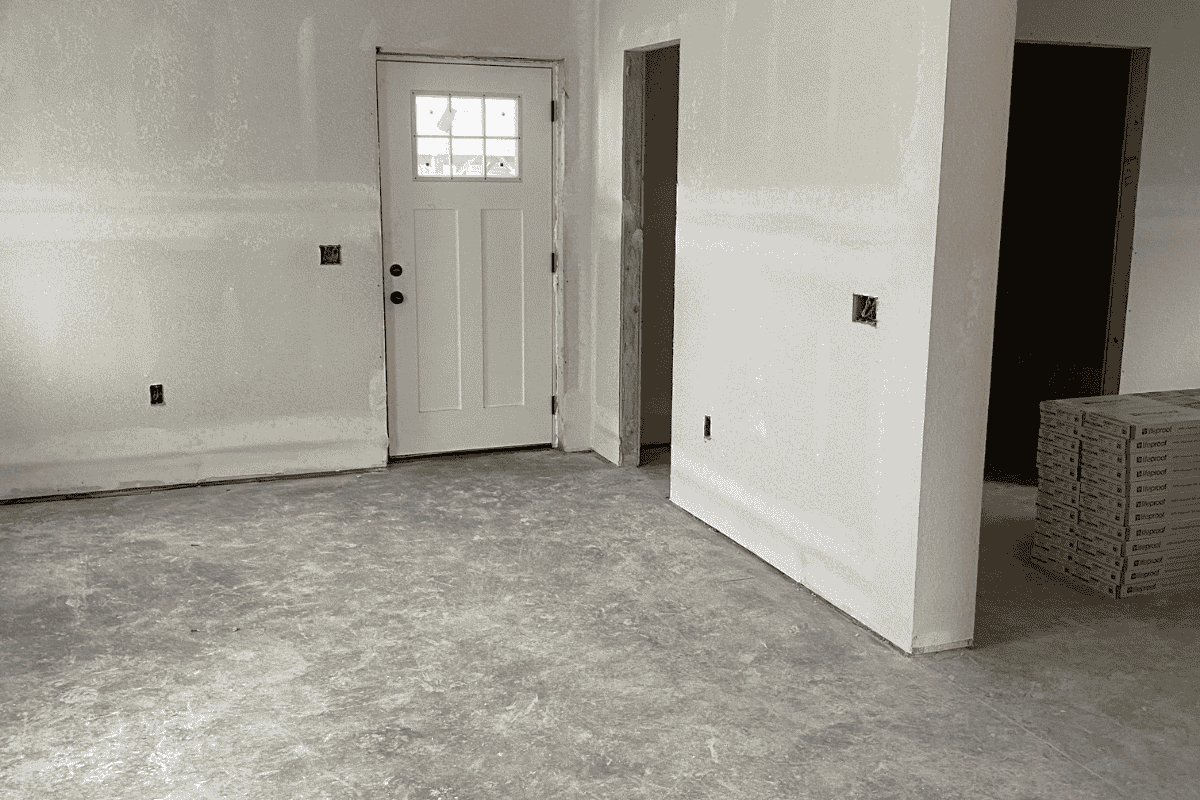
The right ADU design depends on your property and local zoning. There are several types of attached and unattached ADU approaches. While attaching to an existing home is often a solid approach, here are others to consider:
- Beach box conversions: Many elevated homes have open carport or storage areas underneath. Where feasible, a ground-level ADU offers a cost-effective opportunity for ADU housing with a bedroom, bath, and kitchenette.
- Garage conversions: Attached or detached garages or workshop buildings are increasingly popular conversion ADUs.These secondary dwelling or ADU homes are more prevalent in mainland areas like Camden, Elizabeth City, and Currituck.
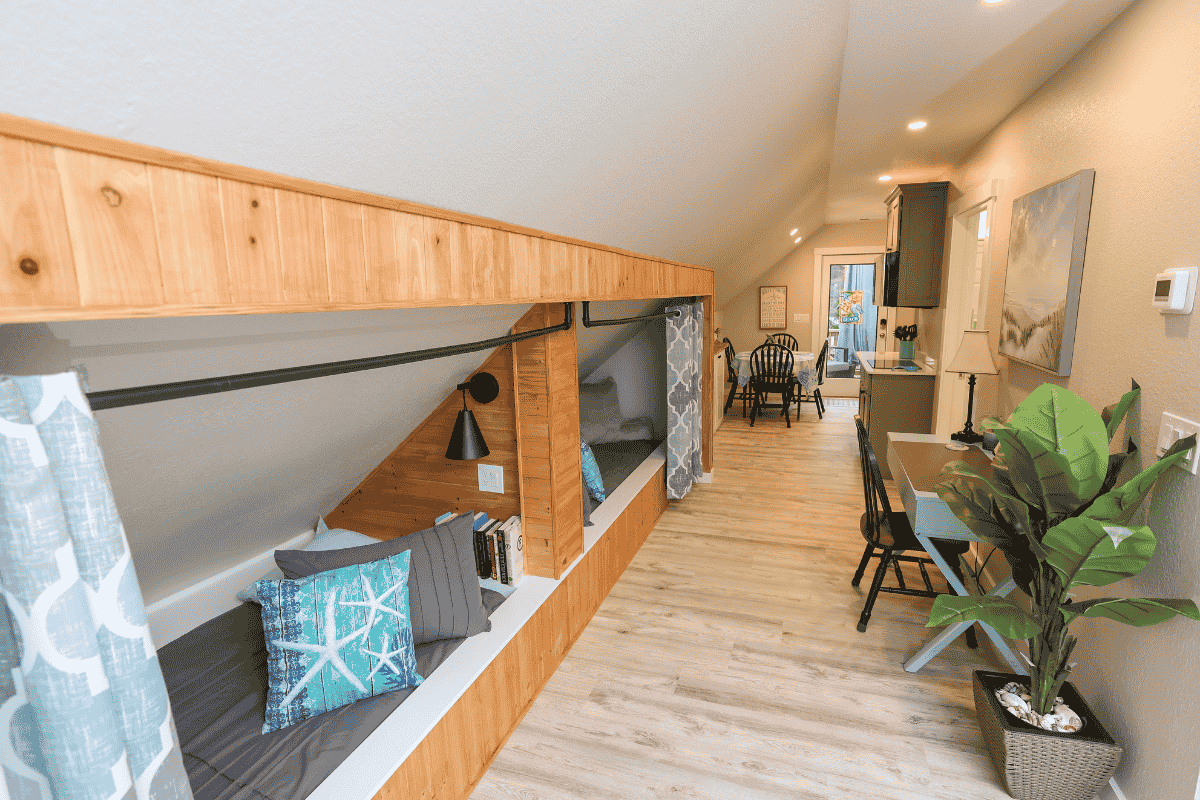
- Attic conversions: Underused attic space can be finished as an ADU depending on headroom, egress, and zoning rules. Sometimes this requires converting a dormer or changing the roof to meet requirements.
- Detached backyard cottages: On larger lots, stand alone ADU homes common as setbacks and lot coverage allow. Increasingly, we are seeing homeowners plan for or construct both a primary and secondary dwelling (ADU) on larger lots prior to starting construction.
Each option has its own set of design, structural, and permitting considerations. Every town and county operates by their “own set of rules” for ADU permitting. Working with an experienced residential construction company who understands ADU building in this market matters so much.
The financial upside of Outer Banks ADU conversions
An ADU generally pays for itself within a few years from rental income alone. The property value boost is often significant. Studies consistently show that homes with ADUs can increase in value by 20-30% or more on average. For OBX owners, that means a well planned ADU generates cash flow, strengthens resale appeal, and broadens the buyer pool when it’s time to sell.
Beyond the numbers, ADUs offer flexibility. They can serve as:
- Short term vacation rentals during peak season (dependent upon town/county).
- Long term housing for teachers, service workers, or medical staff.
- Private guest suites for visiting family or aging parents.
- Home offices or studios that can convert to rental space when needed.
Rental property also has tax advantages for year round owners. It’s worth speaking to your tax professional as part of this process to determine how adding an ADU may benefit you.
The real risks of cutting corners
Over the years, we have seen what happens when owners try to skip permits, hire unlicensed or uninsured builders, or treat an ADU like a DIY weekend project. Unpermitted construction creates serious problems down the road. Insurance companies may refuse to cover damage. The loss potential can be catastrophic. The homeowner can be liable if something goes wrong structurally or if someone is injured.
When unpermitted ADU work is discovered during a sale or inspection, property owners often come out the loser. Buyers often walk away. Appraisers discount the value. Or worse, local code enforcement can require the work to be removed entirely or brought up to code at the owner’s expense. Taking the unpermitted path puts your property at risk, and can end up costing your more than simply building it right the first time. Proper ADU permitting and a licensed building contractor protects your investment..
What good planning looks like for an Outer Banks ADU conversions
ADU projects on the Outer Banks should start with clear goals and a realistic look at what your property.. The most important questions a property owner should consider are:
- What is the primary use? Short term vacation rental, long term housing, family suite, or a mix over time.
- What does zoning allow? Rules vary by town and county. You must always consider setbacks, lot coverage, and septic requirements. Sometimes, there are parking requirements as well. ADU building and allowed use zoning rules also differ by location. Generally, there are often size limitations in relation to the primary home. Sometimes owner-occupied properties allow for short-term rentals, and sometimes only year-round rentals.
- What is the existing structure? The foundation, framing, and mechanical systems (HVAC, plumbing, etc) need to handle the added load and finish. All ADUs must have the required egress, ventilation, and ceiling heights required by code.
- How will utilities and access work? Property owners need to consider how to approach electrical (separate or shared meters), water ,and sewer or septic capacity. In addition, parking and access must be planned and meet zoning requirements.
- What is the realistic budget and timeline? Coastal requirements, materials, and finishes all influence cost. Permitting and inspection schedules shape when the unit is ready for occupancy or rental.With ADUs, permitting can be more complex depending on the zoning where the property exists.
Island Contractors OBX handles zoning and feasibility for our clients. Whether we are acting as a construction consultant, construction manager, or as the licensed NC General Contractor, we handle walking our clients through feasibility, options, and permitting. We also offer in-house Accessory Dwelling Unit (ADU) design work for many of our clients. This process helps maximize usable space, keep the design cohesive with your existing home, and identify potential issues early. Preconstruction planning is where most cost overruns and schedule delays are avoided.
Common mistakes property owners make with an ADU home:
Even well-intentioned owners can run into trouble if they miss a few key steps when planning an Outer Banks ADU conversion:
- Starting construction before zoning and ADU permitting are fully understood and approved.
- Underestimating structural, mechanical, and egress requirements for a legal dwelling unit.
- Hiring unlicensed or uninsured contractors to save money, which often costs far more in the long run.
- Ignoring resale implications and how unpermitted work affects value and marketability.
- Treating the ADU as separate from the main property instead of designing for visual and functional cohesion.
A general construction company with real ADU accessory dwelling unit experience can walk you through those pitfalls and keep the project on track from concept through final inspection.
How Island Contractors approaches Outer Banks ADU conversions
Island Contractors OBX has been working in Dare and Currituck counties for more than 25 years. We understand the specific zoning, permitting, and construction challenges for accessory dwelling units in our area. We know which conversions tend to work well on elevated beach homes, which garage layouts make sense on mainland properties, and how to navigate local ADU housing rules effectively.
Our approach is straightforward:
- Limit active projects so every ADU gets consistent attention.
- Use long standing, experienced, and insured subcontractors.
- Handle design, permitting, and construction as an integrated process so nothing falls through the cracks.
- Keep communication clear so you know what is happening, when, and why.
Turning unused space into money with Island Contractors OBX
Island Contractors OBX is a certified ADU specialist. Regardless of your situation, we are happy to discuss feasibility for an ADU on your unique property. A well planned ADU can generate rental income for years, increase your property value, and give you flexibility you did not have before. The first step is understanding what your property can support and whether the numbers make sense for your situation. Island Contractors OBX is here when you are ready to have that conversation. Submit a project inquiry and let’s figure out if an ADU is the right investment for your property.