
A first-floor primary suite addition often solves real homeowner problems. Maybe you want to stay in your home longer, or you want more privacy. Perhaps you are planning ahead for aging in place, family needs, or a house that simply does not function the way you need it to.
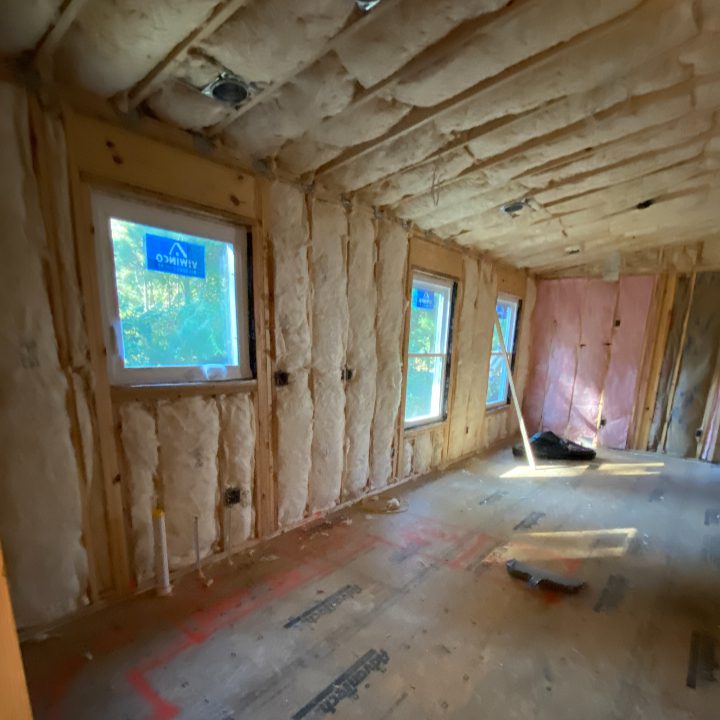
Unfortunately, not every property supports this type of addition.. A first-floor suite may be the right solution for your needs, but the wrong fit for the lot, the layout, or the way the house works as a whole.
In areas like Dare County, Currituck County, Camden County, and Elizabeth City, homeowners make much better decisions when they start with the real problem they are trying to solve instead of locking into one specific construction idea too early.
Why the Idea Feels Simple at First
On the surface, this sounds pretty straightforward. Add a bedroom. Add a bathroom. Connect it to the house.
Simple enough.
Once you move from idea to planning, the questions get more specific. Does the lot have enough buildable space? Will setbacks limit the footprint? Will septic affect placement? Does the addition improve the layout or create new problems? Are flood-zone conditions going to change the design or permit path?
That is where many homeowners get frustrated. The project sounded simple. Then the site started talking back.
That is normal.
It does not mean you are on the wrong track. It just means the decision needs to be based on what the property can actually support.
Why Open Yard Space Can Be Misleading
This is one of the biggest traps homeowners run into.
You look at the side yard or backyard and think, “We have room.”
Visible space is not the same as buildable space. A lot may look open and still be limited by setbacks, lot coverage, septic location, drainage, driveway layout, existing decks, or flood requirements. This scenario happens all the time, especially on coastal properties where the site carries more constraints than people realize at first glance.
What You Need to Evaluate Before You Commit to the Idea
Before you commit to a first-floor primary suite addition, take a step back and look at the whole property.
That means asking practical questions:
- Where does the existing house sit on the lot?
- How much real buildable area is left?
- Where is the septic system?
- Will the addition affect access, parking, or drainage?
- Is the home in a flood-prone area?
- Will the new space improve the way the home functions?
Those questions matter because your goal is not just to add a room. Your goal is to make the house work better for you.
That is an important difference.
A project can look good on paper and still be the wrong move if it creates awkward circulation, strains the site, or pushes cost higher than it should. Good planning protects you from that.
Why Septic and Site Conditions Can Change the Plan
This is where a lot of homeowners get surprised.
Septic can limit where the addition goes. Drainage can affect how the lot handles more construction. Flood-zone conditions can add design and permitting complications. Even a layout that seems obvious can start to unravel once those issues come into view.
That does not mean the project is dead. Not at all.
It means you are doing the smart thing by testing the idea before you force the wrong plan onto the property.
When a First-Floor Suite Is the Right Move
First-floor suites tend to work best when the new suite fits naturally with the existing home.
That often means:
- The lot has enough workable space
- The site conditions support the layout
- The addition improves first-floor living
- The house still flows well afterward
- You truly need new square footage to reach your goal
When those pieces line up, a first-floor suite can be a smart, long-term move. It will make the house more comfortable, more useful, and aligned with the way you want to live.
When Another Solution Serves You Better
Sometimes the first idea is not the best one.
You may just need a better layout, not more square footage. Sometimes reworking your existing space might improve access and solve privacy concerns in a different way that creates a better result with less cost, less disruption, and fewer site constraints.
This is where keeping your focus on the real goal helps.
If your goal is better first-floor living, aging in place, or a more functional setup for family, there may be more than one way to get there. The best outcome usually comes from staying open long enough to evaluate the options honestly.
What Smart Planning Looks Like
Good planning starts with your goal.Not the room size. Not the finish selections. Not even the first sketch.
Start with the problem you want to solve.
Then work through the property step by step:
- Define what you need the space to do.
- Review the lot and the site constraints.
- Evaluate septic, drainage, and any flood-related concerns.
- Decide whether an addition or reconfiguration makes more sense.
- Build the plan around what supports the best result.
That process helps you stay in control. It keeps emotion from steering the whole project. It also gives you a much better chance of making a decision you will still feel good about later.
Mistakes That Can Pull You Off Course
Most planning mistakes happen early.
- Assuming open yard space means the addition will fit
- Starting with a sketch before checking the site
- Focusing on square footage before function
- Underestimating septic or flood-related constraints
- Getting attached to one solution too early
The good news is that you can avoid most of those problems by slowing down at the beginning and asking better questions before the design takes over.
How to Move Forward With Confidence
If you are considering a first-floor primary suite addition, you do not need to have everything figured out yet. You just need to be clear about what you want your home to do better.
Start there.
Do you want more comfort? Better accessibility? Privacy for a parent or guest? A way to stay in the home longer without major disruption later? Those are strong starting points.
Then evaluate the property honestly. Can the lot support the addition? Will the new space improve the way the home works? Is an addition the best path, or just the first one that came to mind?
Even if the first idea is not the right fit, that does not mean you are back at zero. It usually means you are getting closer to the solution that actually fits your home, your lot, and your life.
If you want to talk through your property and your goals, schedule a strategy session with us. We can start with a practical planning conversation and help you sort out what makes the most sense for the way you want to live.